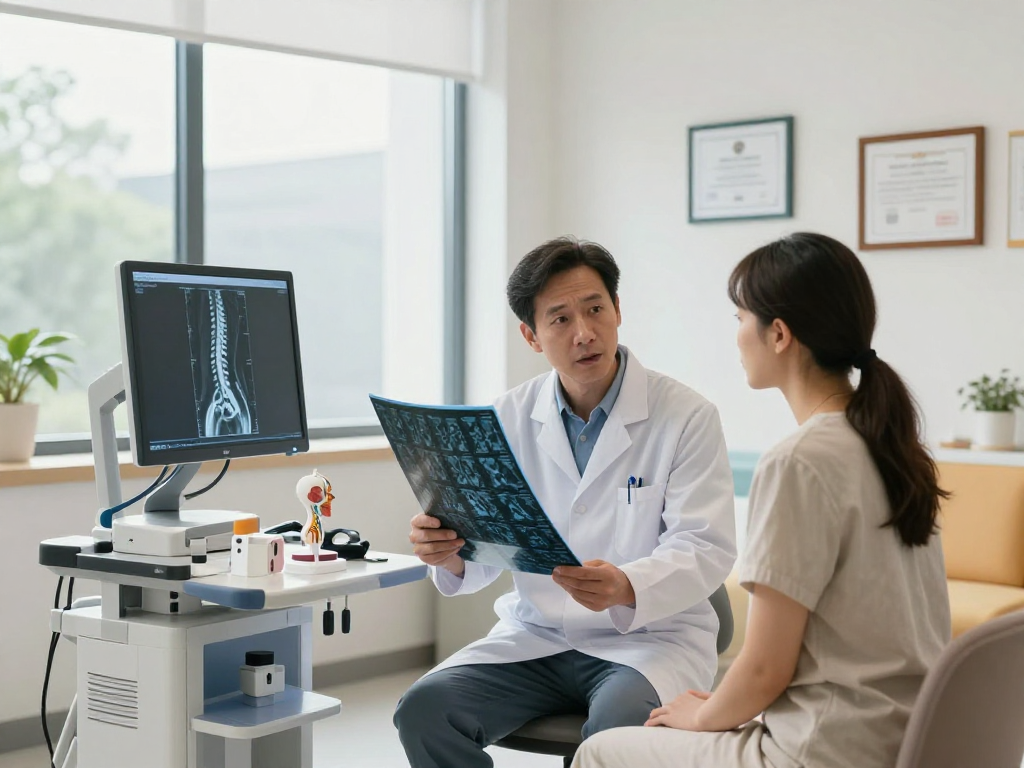
Understanding the Role of a Spine Specialist
A spine specialist is a healthcare professional focused on diagnosing, treating, and managing conditions related to the spine and nervous system. With the increasing prevalence of spine-related disorders, the role of these specialists has never been more critical. They possess a comprehensive understanding of spine anatomy, biomechanics, and associated pathologies. By leveraging advanced diagnostic tools and treatment methodologies, spine specialists aim to alleviate pain, restore function, and enhance the overall quality of life for their patients. When exploring options, a spine specialist provides comprehensive insights into your condition and potential treatments.
What Does a Spine Specialist Do?
Spine specialists, often consisting of orthopedic surgeons, neurosurgeons, and physiatrists, play a multifaceted role in patient care. They conduct thorough evaluations, which include detailed medical histories and physical examinations, to identify the underlying causes of spine issues. Their responsibilities encompass a wide range of activities:
- Diagnosing conditions such as herniated discs, spinal stenosis, and scoliosis.
- Prescribing conservative treatments including physical therapy, medications, and lifestyle modifications.
- Performing surgical procedures when necessary, such as spinal fusion or discectomy.
- Monitoring patients post-treatment to ensure recovery and prevent complications.
Common Conditions Treated by Spine Specialists
Spine specialists address various conditions that may affect the spine and its surrounding structures. Some of the most common conditions include:
- Herniated Discs: Occurs when the inner gel-like core of a disc protrudes through the outer layer, often causing pain.
- Spinal Stenosis: A narrowing of the spinal canal that can compress nerves and cause pain or weakness.
- Scoliosis: An abnormal curvature of the spine that can lead to discomfort and postural issues.
- Degenerative Disc Disease: The wear and tear of spinal discs, leading to pain and reduced mobility.
Importance of Early Diagnosis in Spine Health
Early diagnosis of spine conditions is crucial for effective management and treatment. Delaying diagnosis can lead to exacerbated symptoms, increased pain, and may limit treatment options. Spine specialists emphasize the need for prompt evaluation of symptoms such as chronic back pain, mobility issues, or neurological deficits. By catching conditions early, patients can benefit from conservative treatments that are less invasive and have a higher likelihood of success.
Advancements in Spine Treatment Options
In recent years, advancements in technology and research have significantly improved the treatment landscape for spine health. Spine specialists now have access to innovative techniques that enhance patient outcomes.
Innovative Techniques Used by Spine Specialists
Modern spine care incorporates several innovative techniques, including:
- Robotic-Assisted Surgery: Enables greater precision and minimally invasive approaches, reducing recovery time.
- Image-Guided Procedures: Use advanced imaging technologies to assist in accurate placement of instruments during surgery.
- Stem Cell Therapy: Emerging as a potential treatment for disc degeneration and chronic back pain, this technique utilizes the body’s cells to promote healing.
Effectiveness of Minimally Invasive Procedures
Minimally invasive surgeries have become increasingly popular due to their effectiveness and reduced recovery times. Procedures such as microdiscectomy and endoscopic spine surgery allow specialists to perform surgeries through smaller incisions, resulting in less muscle damage, shorter hospitalization, and quicker return to daily activities.
Integrative Approaches: Combining Traditional and Alternative Treatments
In addition to conventional medical treatments, spine specialists often advocate for integrative approaches that include alternative therapies such as chiropractic care, acupuncture, and massage therapy. These options can complement traditional treatments, offering patients a holistic approach to managing pain and improving spinal health.
Preventive Measures for Spine Health
Preventive care is vital in maintaining spine health and avoiding future complications. Spine specialists recommend several strategies to keep the spine healthy.
Healthy Lifestyle Choices for a Strong Spine
Making informed lifestyle choices can significantly impact spine health. Incorporating regular physical activity, maintaining a healthy weight, and ensuring a balanced diet rich in nutrients are foundational aspects of spine care. Activities such as swimming, yoga, and Pilates can strengthen core muscles, improving spinal support and flexibility.
Importance of Regular Check-Ups with a Spine Specialist
Routine check-ups with a spine specialist can help catch potential issues early before they escalate. Even in the absence of symptoms, these evaluations can be beneficial for individuals with risk factors such as a family history of spine disorders or previous injuries.
Ergonomic Practices to Prevent Back Pain
Implementing ergonomic practices in daily activities can greatly reduce the risk of back pain. This includes using ergonomic furniture, practicing proper lifting techniques, and maintaining good posture while sitting and standing. Employers are also encouraged to provide ergonomic assessments for their employees to foster a healthier workplace.
Patient-Centered Care in Spine Health
As spine care evolves, patient-centered approaches are gaining prominence. This focus ensures that patients' unique needs and preferences are prioritized throughout their treatment journey.
Building a Strong Patient-Physician Relationship
A strong relationship between the patient and spine specialist can foster better communication, understanding, and treatment adherence. Patients should feel comfortable discussing their concerns and expectations with their specialist to ensure a tailored approach to their care.
Creating Personalized Treatment Plans
Every patient's condition is unique, and therefore, personalized treatment plans are essential. Spine specialists utilize various assessment tools to devise a plan that may include surgical options, physical therapy, and lifestyle changes, aimed at achieving optimal outcomes.
Patient Success Stories and Testimonials
Hearing from other patients can offer hope and guidance. Many spine specialists share success stories and testimonials that illustrate the transformative power of appropriate treatment. These narratives highlight the diverse pathways to recovery, inspiring confidence in potential patients.
Future Trends in Spine Health for 2026
The future of spine health care is poised for substantial changes, driven by innovation and emerging technologies. Specialists are increasingly integrating these advancements into their practices to enhance patient care.
Emerging Technologies in Spinal Treatment
Innovations such as artificial intelligence (AI) for diagnostic purposes, and 3D printing for customized implants, are set to revolutionize spine treatment. These technologies promise to improve accuracy in both diagnosis and treatment, ultimately leading to better healthcare outcomes.
Predicted Changes in Spine Health Care Models
The evolving healthcare landscape suggests a shift towards value-based care models in spine health, emphasizing quality over quantity. This transition will likely involve collaborative care teams, ensuring comprehensive management of spinal disorders.
The Role of Telemedicine in Spine Care
Telemedicine has emerged as a vital tool in delivering spine care, especially in the wake of the COVID-19 pandemic. This modality allows patients to receive consultations and follow-ups remotely, increasing accessibility and convenience. Future advancements may expand telehealth services, enabling even more patients to engage with spine specialists from the comfort of their homes.
What Conditions Should I See a Spine Specialist For?
Individuals experiencing persistent back pain, neck pain, or other related symptoms should consult a spine specialist. Conditions such as herniated discs, spinal stenosis, or chronic pain syndromes warrant professional evaluation to determine appropriate treatment strategies.
How Do I Choose the Right Spine Specialist?
Selecting the right spine specialist involves considering qualifications, experience, and patient reviews. Patients should seek specialists who are board-certified and have a track record of successful treatments relevant to their specific conditions.
What Can I Expect During My First Appointment?
During the initial appointment, patients can expect a comprehensive evaluation. The spine specialist will likely review medical history, conduct a physical examination, and may order diagnostic tests such as X-rays or MRIs to confirm the diagnosis.
Are Non-Surgical Treatments Effective for Spine Issues?
Many spine issues can be effectively managed through non-surgical treatments. Options such as physical therapy, chiropractic care, and medication can alleviate symptoms and improve function. In many cases, these conservative approaches can delay or eliminate the need for surgery.
What Innovations Should I Expect in Spine Surgery?
Future innovations in spine surgery include tele-surgery, advanced imaging techniques, and regenerative medicine therapies. These developments aim to enhance precision, reduce complications, and accelerate recovery times, ultimately improving the patient experience.