The Evolution of Digital Design Trends in 2026
As we navigate through the dynamic landscape of 2026, digital design is undergoing a remarkable transformation. Emerging technologies, evolving consumer preferences, and a heightened focus on sustainability are reshaping how designers approach their craft. In this article, we will delve into the key trends that are defining digital design this year, exploring modern aesthetics and the innovations that reflect the preferences of contemporary users. Understanding these trends is essential for professionals aiming to create impactful user experiences that resonate with their audience.
When exploring options, ia +18 offers insights that can guide designers in aligning with the latest trends.
Understanding Modern Aesthetics and User Preferences
The aesthetics of digital design have evolved significantly, leaning towards minimalism, organic shapes, and immersive experiences. In 2026, designers are prioritizing user-centric designs that not only look appealing but also enhance usability. This shift is largely driven by consumer demand for simplicity and intuitive navigation. Users expect seamless experiences across various devices, which necessitates a cohesive design language.
Furthermore, trends such as dark mode and soft gradients have gained traction, offering visually appealing alternatives to traditional design. These preferences not only serve aesthetic purposes but also cater to user comfort and accessibility, ensuring that designs can be enjoyed by a broader audience.
Key Innovations Shaping Design Principles
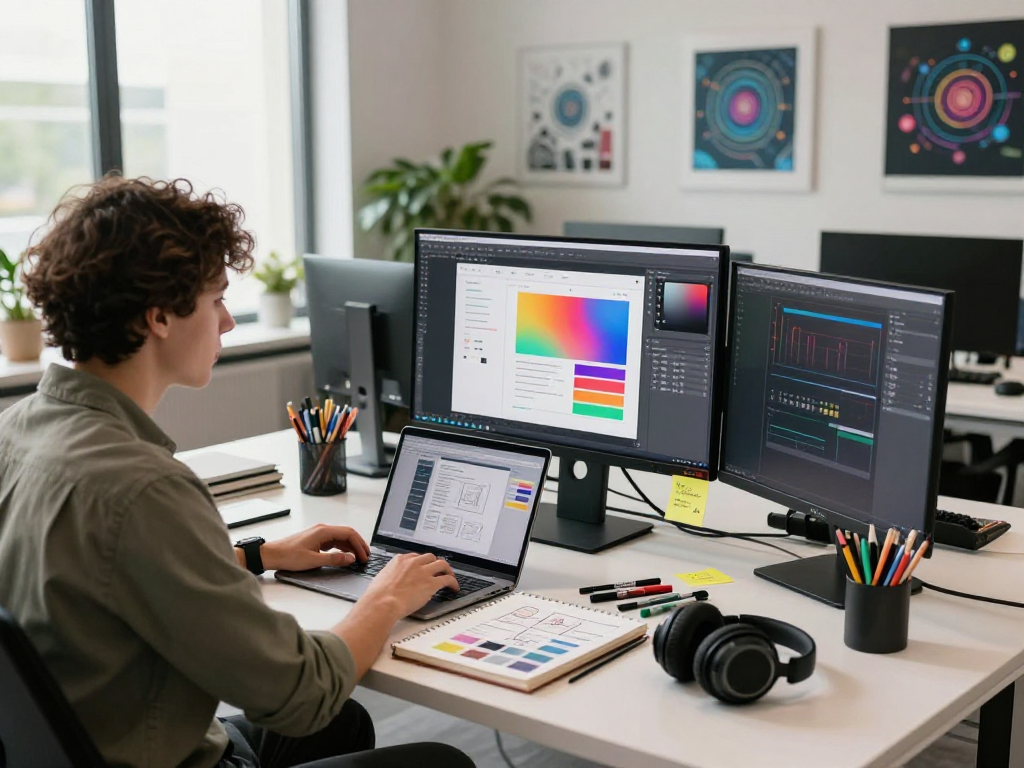
Innovations in technology are at the forefront of shaping digital design principles. Emerging tools and platforms harness the power of artificial intelligence (AI) to streamline workflows, enhance creativity, and optimize user experiences. AI-driven design platforms allow designers to generate unique layouts, color palettes, and typography options, facilitating a more efficient creative process. Additionally, augmented reality (AR) and virtual reality (VR) are transforming the way users interact with digital interfaces, paving the way for immersive design experiences.
Moreover, tools that incorporate machine learning algorithms can analyze user behavior and preferences, enabling designers to create more personalized experiences. This data-driven approach not only enhances engagement but also helps businesses retain customers and increase conversion rates.
Consumer Insights: What Users Expect in 2026
Understanding consumer expectations is crucial for effective design. In 2026, users seek interconnected experiences that blend the digital and physical worlds. They demand fast-loading websites, accessible content, and designs that are responsive and adaptive to their needs. User feedback has become a valuable asset, guiding designers in making informed decisions that resonate with their audience.
Furthermore, the rise of ethical consumerism has led users to favor brands that prioritize sustainability. Designers must consider eco-friendly practices in their designs, from the choice of materials to the digital footprint of their websites. This aligns with a broader movement towards environmental responsibility and corporate social accountability.
Impact of AI on Digital Design Processes
Utilizing Artificial Intelligence for Enhanced Creativity
Artificial Intelligence is revolutionizing creative processes within digital design. By leveraging AI tools, designers can explore new dimensions of creativity that were previously unimaginable. AI algorithms can analyze vast datasets to identify trends and generate design elements that are not only innovative but also aligned with user preferences.
For instance, AI-driven platforms can offer design suggestions based on user data and historical patterns, enabling designers to create tailored experiences that resonate with their target audience. This symbiotic relationship between human creativity and AI technology enhances the overall quality of design work, leading to more effective and engaging outcomes.
Automating Design Tasks: Pros and Cons
While automation in design processes offers significant advantages, it also presents challenges. Automated tools can reduce repetitive tasks, allowing designers to focus on high-level creative decision-making. Tasks such as resizing images, generating mockups, and color adjustments can be streamlined through automation, improving productivity and efficiency.
However, there are concerns about the over-reliance on automation, which may stifle creativity and diminish the personal touch that is often essential in design. Balancing automation with human intuition and creativity is crucial for achieving the best results.
Case Studies: Successful AI Implementations
Several companies have successfully integrated AI into their design processes, illustrating its transformative potential. For instance, Adobe’s Creative Cloud suite utilizes AI-powered features like Adobe Sensei to enhance design workflows. These features help streamline tasks, suggest design elements, and improve collaboration among team members.
Another notable example is Canva, which incorporates AI to provide users with design suggestions and templates based on their content. This empowers users to create stunning visuals without requiring extensive design knowledge, democratizing the design process and expanding accessibility.
Responsive Design: Adapting to User Behavior
Importance of Mobile-First Design Strategies
In today's mobile-driven world, a mobile-first approach to design is no longer optional—it’s essential. As mobile usage continues to rise, designers must prioritize responsive design that adapts seamlessly to various screen sizes. This ensures that users have a consistent and enjoyable experience, regardless of the device they are using.
Mobile-first design strategies also enhance search engine optimization (SEO) and improve user engagement metrics, resulting in better overall performance for websites. By designing for mobile users first, businesses can better meet their audience's needs and expectations.
Techniques for Creating Adaptive Interfaces
Creating adaptive interfaces involves utilizing responsive design principles to adjust layouts, images, and content in real time. Flexibility is key, allowing designs to modify based on the user’s device and preferences. Techniques such as fluid grids, media queries, and flexible images contribute to a responsive design strategy that enhances user experience.
- Fluid Grids: Use relative units for layout elements to ensure designs scale properly.
- Media Queries: Implement CSS media queries to adapt the design layout based on screen size.
- Responsive Images: Use various image sizes that adjust based on user device resolution.
User Experience Metrics: Measuring Success
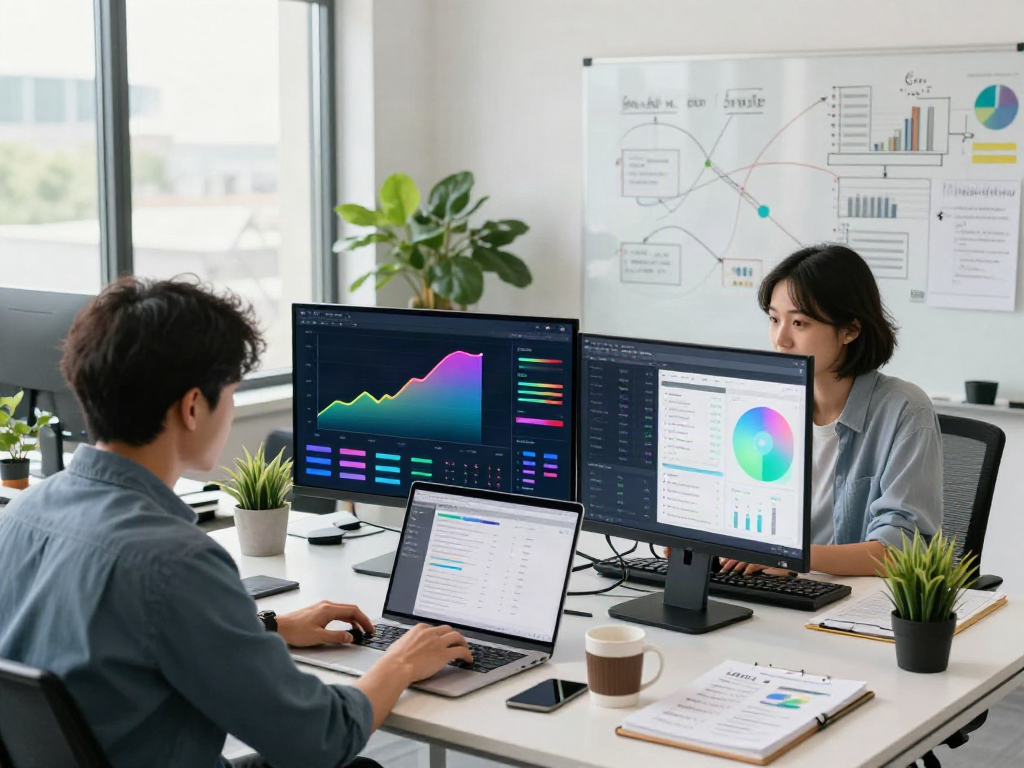
Measuring the success of designs is critical to refining processes and improving user engagements. Key performance indicators (KPIs) such as bounce rates, average session duration, and conversion rates provide valuable insights into user behavior. Tools like Google Analytics can track these metrics, helping designers understand how users interact with their designs.
Collecting user feedback through surveys and usability tests can also inform design improvements, ensuring that user needs remain at the forefront of the design process. Continuous iteration based on this data fosters a culture of innovation and responsiveness within design teams.
Collaborative Tools and Their Influence on Design Teams
Top Platforms for Remote Collaboration in 2026
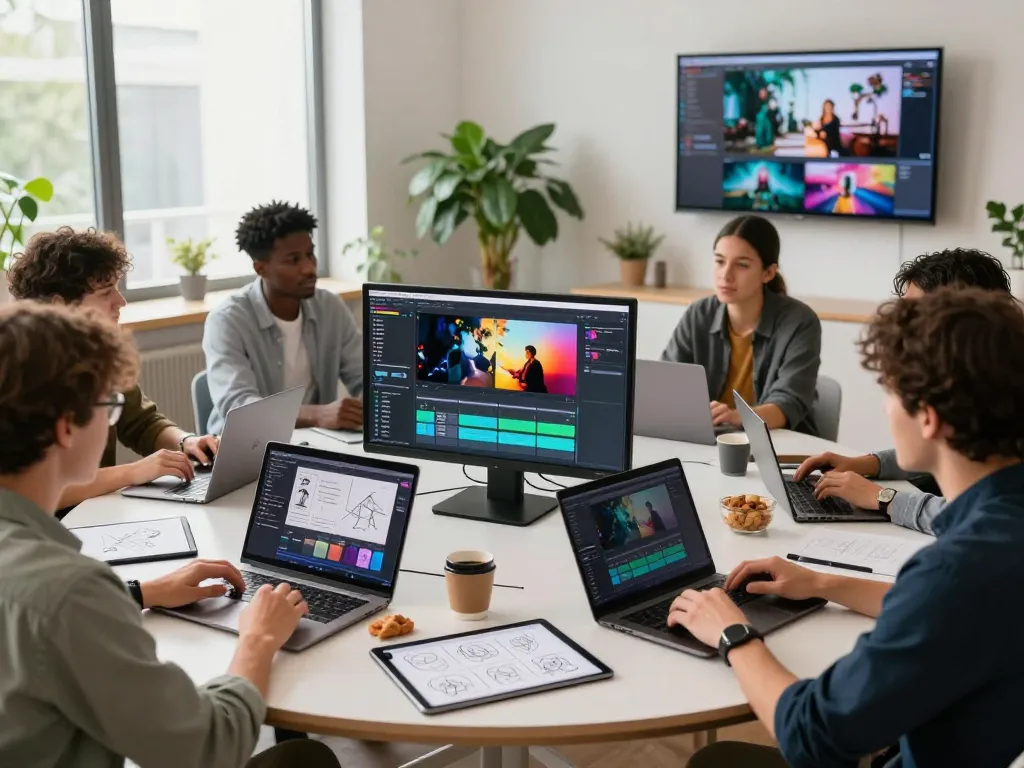
As remote work becomes increasingly common, collaborative tools have emerged as essential for design teams. Platforms like Figma, Miro, and Slack facilitate seamless communication and cooperation, enabling teams to share ideas, feedback, and design assets easily.
Figma, in particular, has gained popularity for its real-time collaboration features, allowing multiple designers to work on the same file simultaneously. This promotes a dynamic and interactive design process that enhances creativity and efficiency.
Building Effective Team Dynamics in Digital Spaces
Successful remote design teams prioritize effective communication and collaboration. Establishing clear roles and responsibilities fosters accountability and ensures that each team member can contribute their unique skills. Regular check-ins and brainstorming sessions encourage open dialogue and creativity, allowing for varied perspectives to inform design choices.
Examples of Enhanced Communication Tools
Tools like Trello and Asana streamline project management by organizing tasks and timelines, ensuring that everyone is aligned and on track. Additionally, video conferencing platforms such as Zoom facilitate face-to-face interactions, fostering a sense of community and collaboration among team members, regardless of their physical locations.
Future Trends: What Lies Ahead for Digital Design?
Emerging Technologies to Watch in the Coming Years
As we look ahead, several emerging technologies promise to further influence digital design. Virtual reality (VR) and augmented reality (AR) are at the forefront, offering new ways to engage users through immersive experiences. Additionally, voice user interfaces (VUIs) are becoming more prevalent, prompting designers to rethink traditional interaction patterns and incorporate voice commands into interfaces.
Blockchain technology is also set to transform design processes by enhancing security and transparency in digital transactions, particularly in fields like creative licensing and asset management.
Sustainability in Design: Eco-Friendly Practices
Sustainability is becoming a driving force in design, with more designers prioritizing eco-friendly practices. This includes selecting sustainable materials, optimizing designs for energy efficiency, and embracing circular design principles that minimize waste. By adopting sustainable methods, designers can not only reduce their environmental impact but also appeal to the growing demographic of eco-conscious consumers.
Expert Predictions for 2027 and Beyond
Experts predict that the design landscape will continue to evolve rapidly, with advancements in AI, AR, and VR driving innovation. The emphasis on user experience and sustainability will remain at the forefront, shaping how designers approach projects. Additionally, as technology becomes more integrated into everyday life, designers will need to adapt to new mediums and interaction styles that prioritize accessibility and inclusivity.
What are the key design trends for 2026?
The key design trends for 2026 include minimalism, the use of organic shapes, mobile-first strategies, and a significant focus on sustainability and user experience.
How is AI changing the landscape of digital design?
AI is enhancing creative processes, automating repetitive tasks, and providing insights that lead to more personalized user experiences. It allows designers to explore new creative avenues while maintaining alignment with user preferences.
What tools are best for remote design collaboration?
Top tools for remote design collaboration in 2026 include Figma for real-time design collaboration, Trello and Asana for project management, and Slack for communication.
How can I measure the effectiveness of my designs?
To measure design effectiveness, analyze KPIs such as bounce rates, session durations, and conversion rates while also soliciting user feedback through surveys and usability tests.
What sustainability practices should designers adopt?
Designers should adopt practices such as using sustainable materials, focusing on energy efficiency, and incorporating circular design principles that prioritize reducing waste.